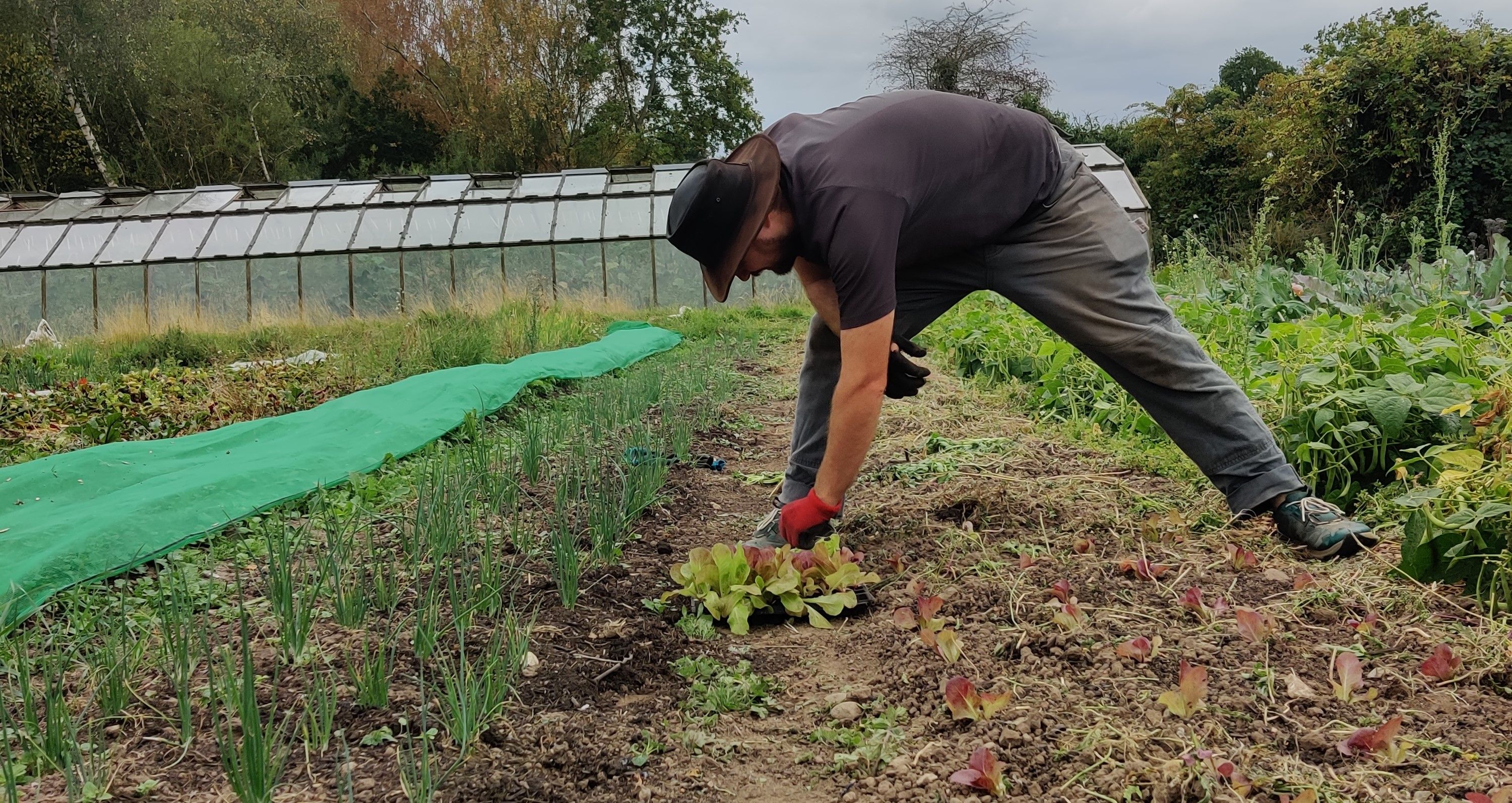
How we grow your produce
Our growing methods
A lot of our global farming practices since the industrial revolution have proved increasingly damaging to both our soils, our health and the health of our local environment. Therefore our practices focus around fostering soil and environmental health, which in turn foster our own health through the high quality vegetables we produce.
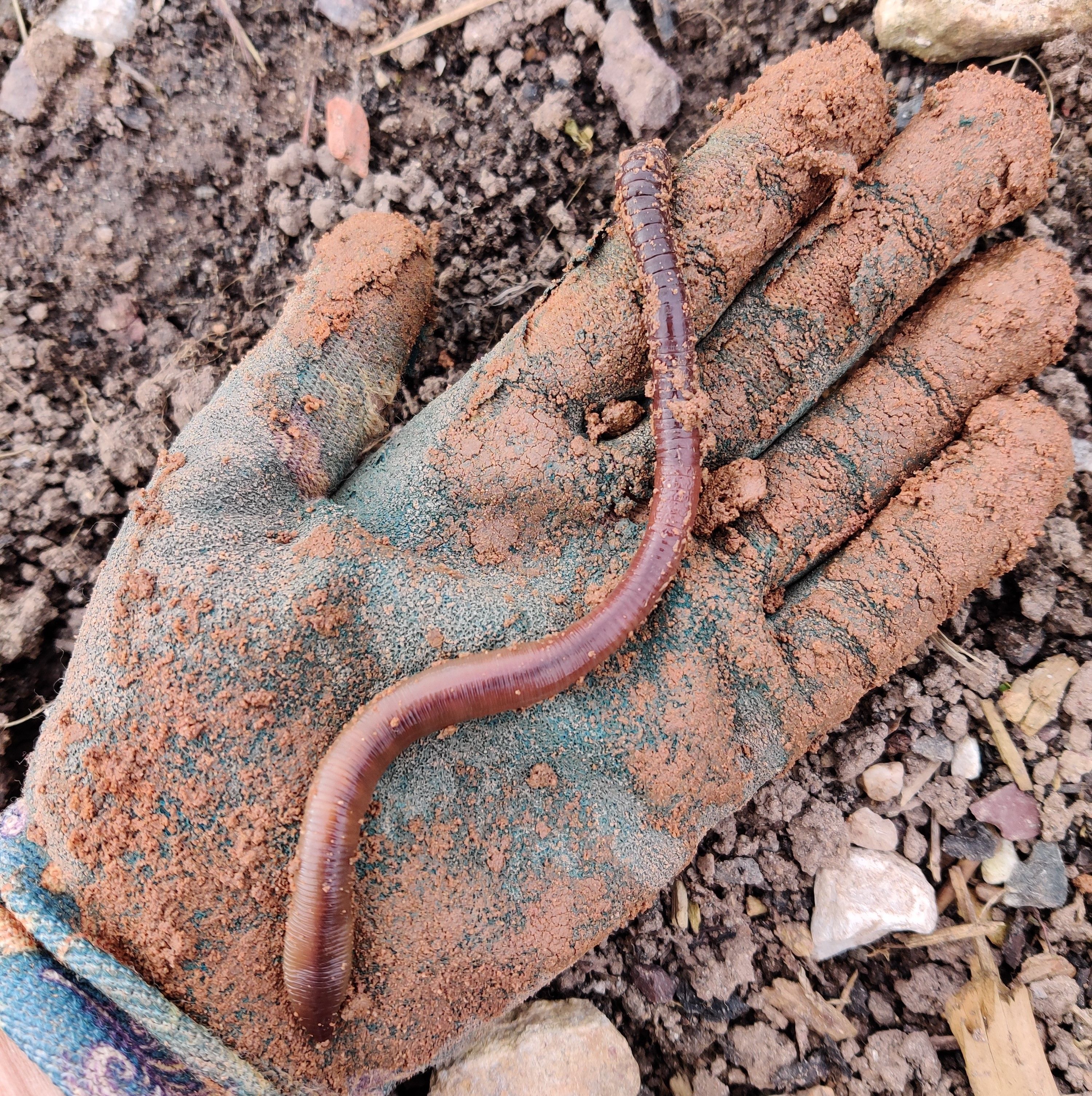
Our Three Focuses:
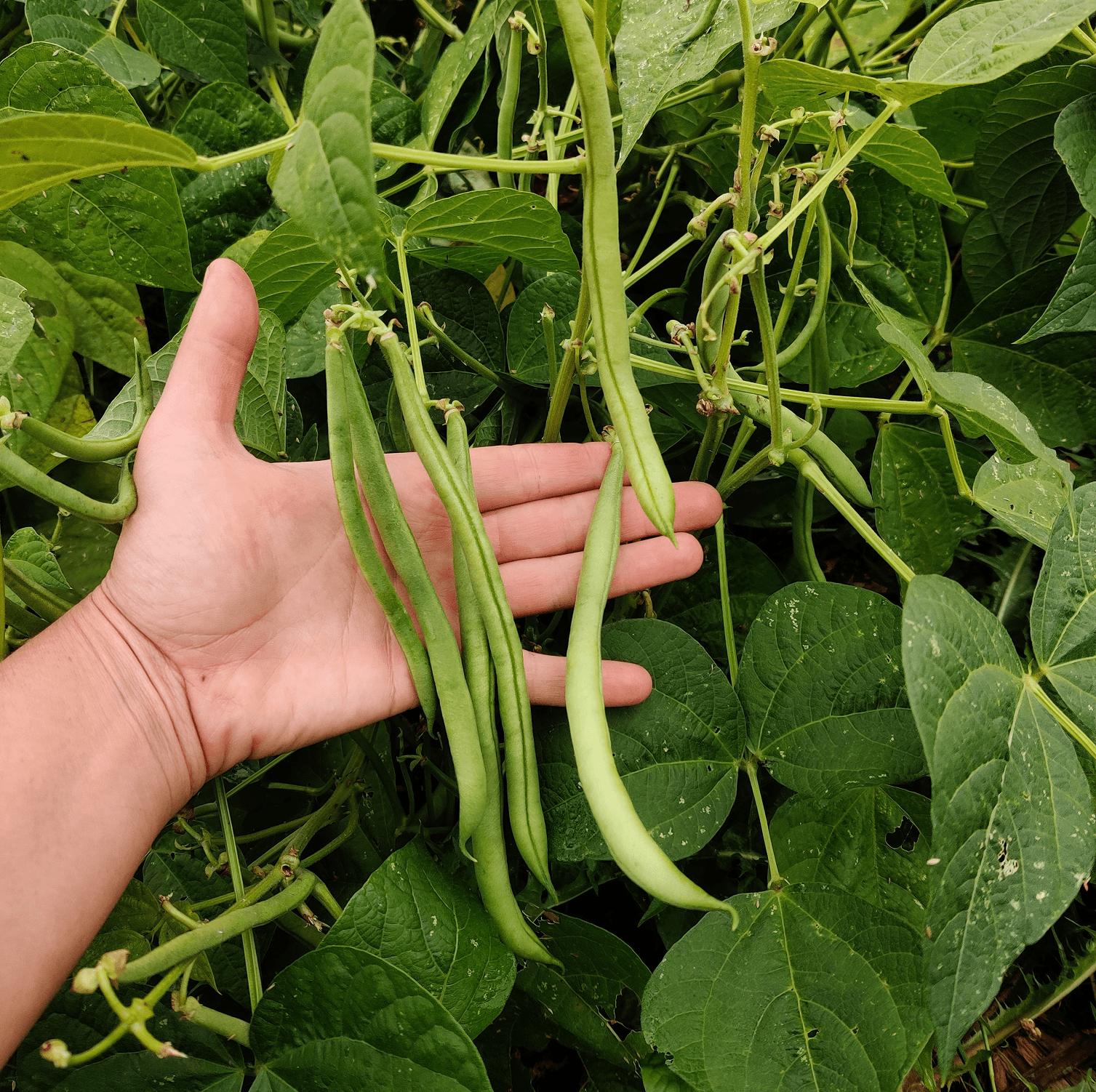
Organic and Regenerative
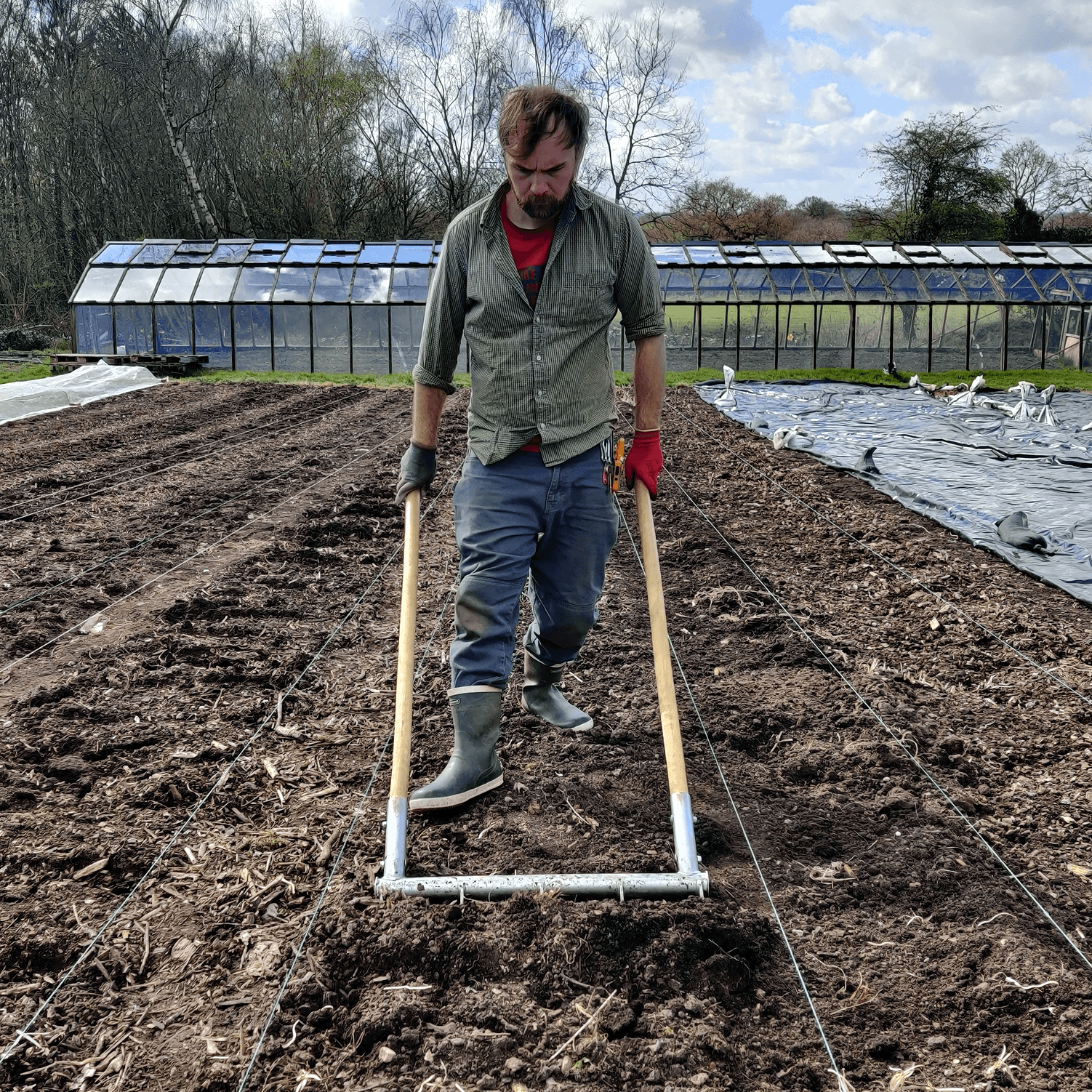
Healthy Soils and No-tillage
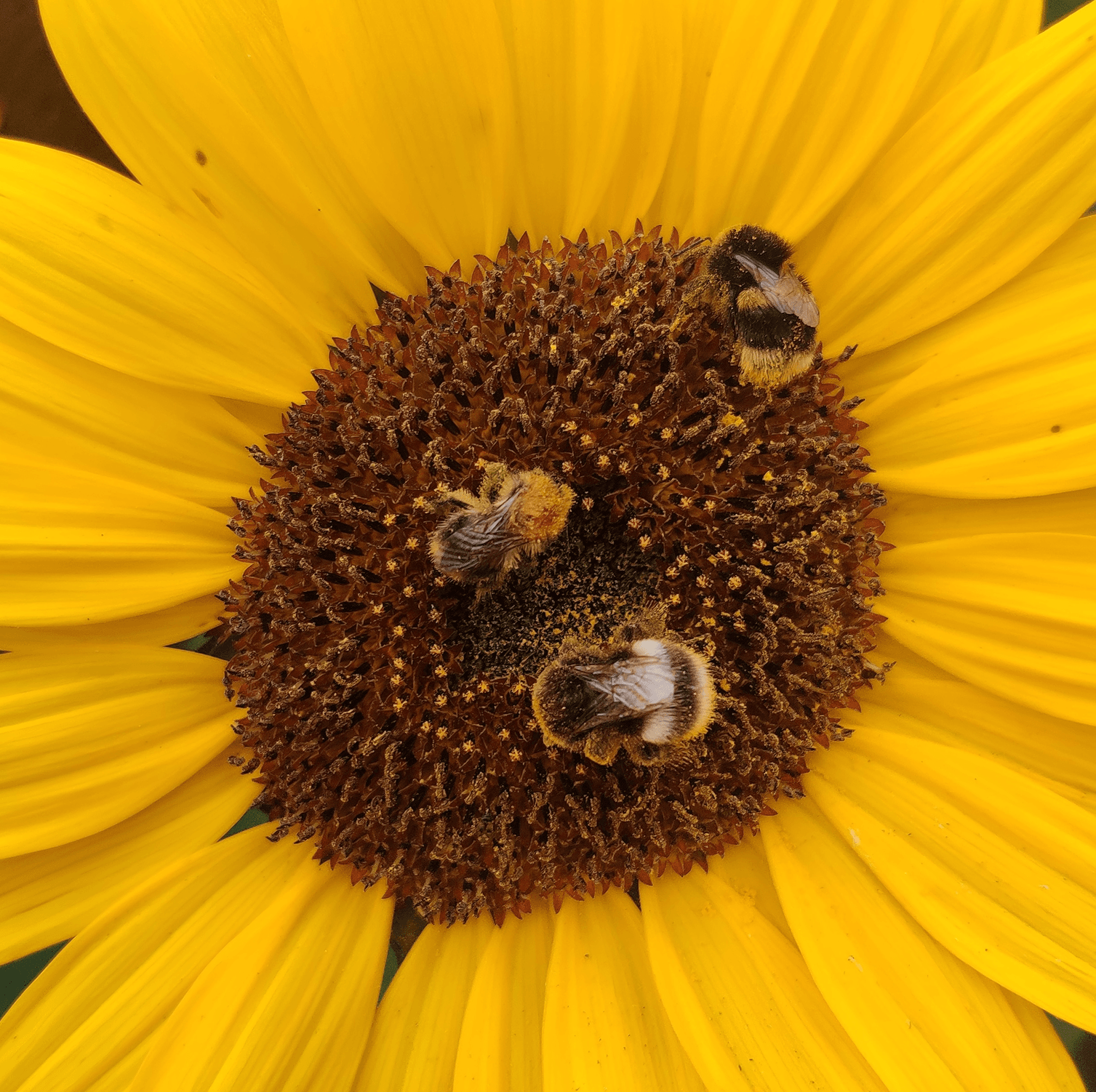
A Thriving Ecosystem and Biodiversity
Growing Organically and regeneratively
Being organic is at the heart of what we do. Oakcroft has been certified with the Soil Association since the 60’s, which means that the site has been following organic practices for over 60 years. It is one of the oldest organic farms in the country.
Therefore, all of our practices align with the Soil Association’s organic standards, and we receive audits twice a year to ensure we are following the standards carefully.
This means that we do not use any non-organic products such as pesticides and fertilisers. Our fertility comes from compost and maintaining good soil health.
In addition to organic, we class our practices as “Regenerative”. Although there is no certification for this in the UK yet, we take our practices further, with soil building through low tillage and nourishing the biology in our soils.
We are ‘stewards’ of the landscape, fostering it for future generations and we want to preserve and improve what’s already there.
Protecting our soil
With the continual erosion of our topsoils across the globe, one of our key principles is that we do not till our soils. Inverting the soil layers with machinery or other practices has been shown to decrease the life in our soils, break up its structure and release stored carbon back into the atmosphere. The loosened soil is then prone to erosion during heavy rainfall or extreme weather events.
By keeping the soils intact and plant roots in the ground, we preserve soil biodiversity and capture carbon back into the soil. The thriving biology below ground then rewards us by feeding and supporting our plants until harvest.
Encouraging biodiversity
Our market garden produces a huge range of produce in a relatively small amount of space. We grow over fifty different varieties of fruits and vegetables and so our farm is always biodiverse. In a conventional farm, monocultures can create hundreds of acres of only one type of ‘boom and bust’ habitat.
However, on our farm there is always something in the ground with different bloom times for our crops and habitat for beneficial insects. This, in combination with our wildflower banks, deadheadges, hedgerows and surrounding woodland creates an incredible habitat for wildlife. Oakcroft always feels alive; whether it be the singing of birds or buzzing of insects.
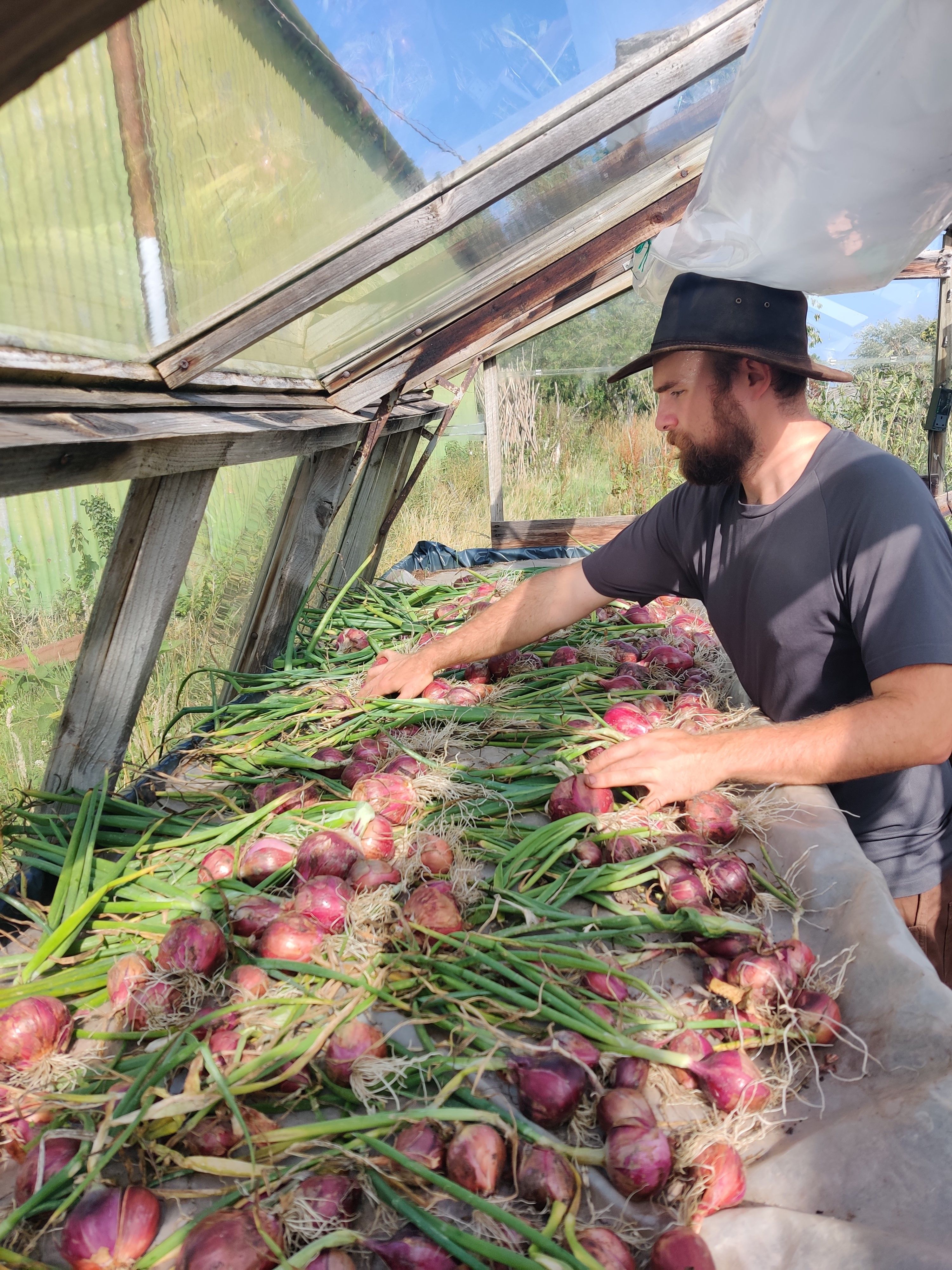
Our Ethos
Seasonal
Everything we sell has been grown by us at Oakcroft. We don’t buy in produce from other farms and don’t import from abroad, so you can be sure that everything you buy from us is as local as it gets.
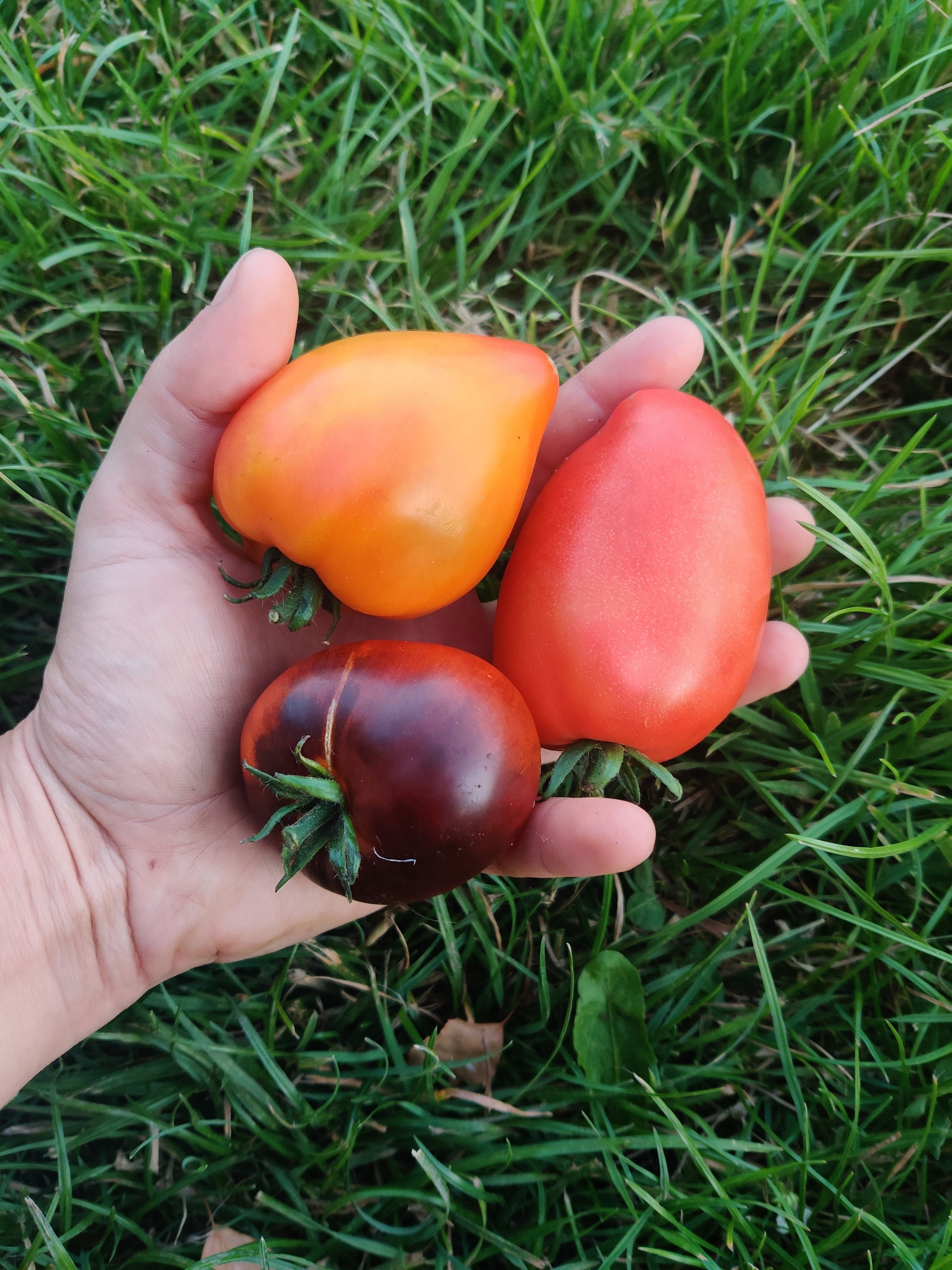
That does mean we are restricted by the seasons; we can only grow tomatoes, peppers and aubergines in summer and autumn, whilst we grow hardier crops and leafy greens throughout the cooler months. Growing seasonally and not importing produce means that there are times of the year (often referred to as the ‘hunger gap’) where we cannot offer much variety at all and are unable to trade. Therefore the majority of our sales come from the abundance of the summer and autumn months.
Local and fresh
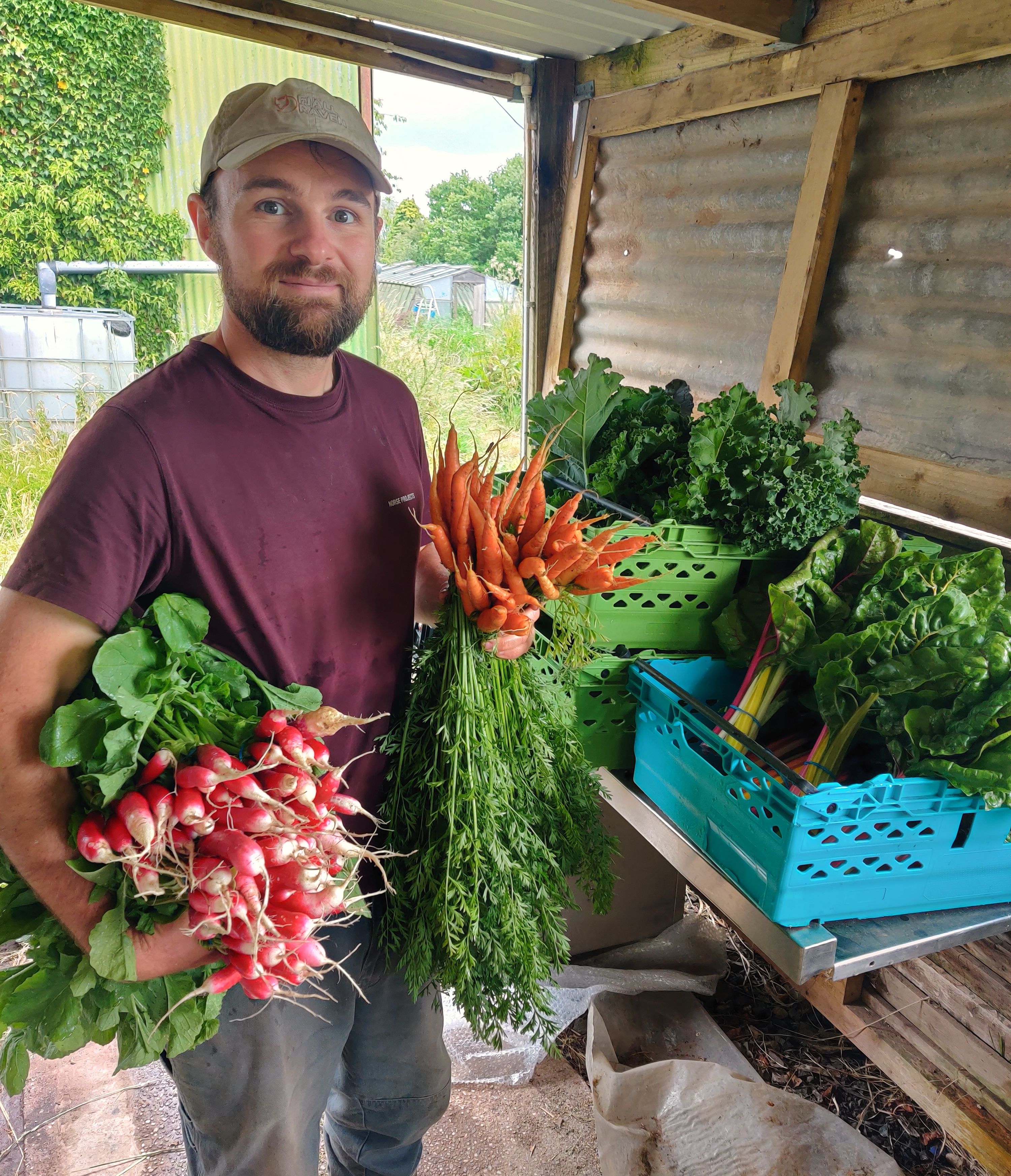
All of our produce is sold within a 20-mile radius (or much less than that most times!). It is generally delivered to our customers within 24 hours of harvest, so it is as fresh as you can get! We deliver to greengrocers, restaurants and to our veg box pickup points in our electric van. We are especially passionate about reducing food miles and our carbon footprint.
Community focused
We love farming and growing vegetables but we love feeding people more! Food is such an important part of everyone's lives and it brings people together. We love connecting with our customers and being part of their lives. We love meeting our customers at markets and we encourage people to come visit the farm, walk around and see how their food is grown!
© 2026 - Oakcroft Organics
Powered by
